


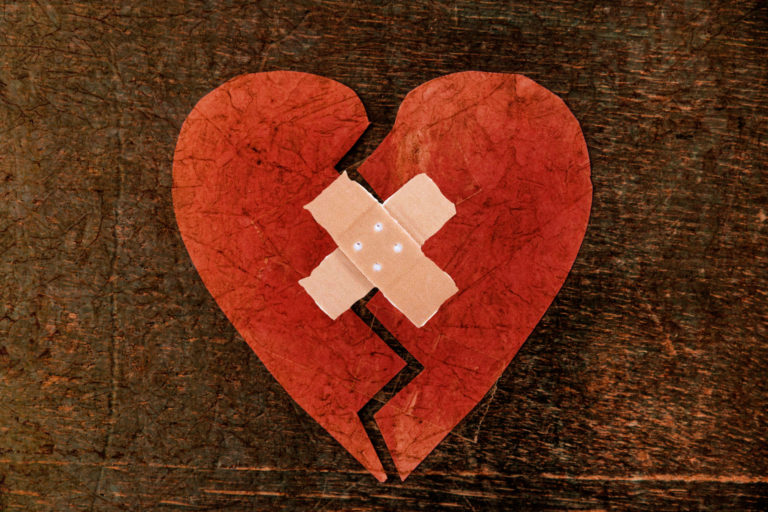
3 Ways to Tell If You’re in an Unhealthy Relationship
Love should make you feel respected, supported, and valued. But when you're emotionally attached to someone, it can be difficult to recognize when a relationship is doing more harm than good.
You may overlook broken promises, excuse hurtful behavior, or convince yourself that things will eventually improve. Sometimes, the fear of losing someone becomes stronger than the realization that you're unhappy.
Recognizing an unhealthy relationship starts with being honest about how you're treated and how you feel. Here are three important signs to consider.
1. The Effort Isn't Mutual
A healthy relationship requires effort from both people. One partner shouldn't always be responsible for initiating conversations, making plans, offering emotional support, or resolving disagreements.
Ask yourself:
-
Am I always the one making an effort to stay connected?
-
Does my partner appreciate the time and energy I give?
-
Do they support me when I need help?
-
Are my needs treated as equally important?
Relationships don't have to be perfectly balanced every day. There will be times when one person needs more support than the other. However, over time, both partners should feel that they're contributing and being appreciated.
If you're constantly giving while receiving very little in return, it's worth reconsidering whether the relationship is meeting your emotional needs.
2. You Don't Feel Good About Yourself Around Your Partner
Your emotional well-being is an important indicator of relationship health.
Think about how you feel most of the time when you're with your partner. Do you feel comfortable expressing your thoughts, or are you constantly worried about upsetting them? Can you disagree without being insulted, threatened, or ignored?
An unhealthy relationship may leave you feeling anxious, insecure, guilty, or emotionally exhausted.
Consider whether your partner:
-
Respects your opinions and personal boundaries.
-
Makes you feel valued rather than inadequate.
-
Listens when you express concerns.
-
Encourages you to be yourself.
-
Takes responsibility when their behavior hurts you.
No relationship is free from disagreements, but respect and emotional safety should remain present even during difficult conversations.
If you experience intimidation, threats, or physical violence, take those concerns seriously. You are not responsible for another person's abusive behavior, and your safety should come first.
3. Your Future Goals Don't Align
A relationship isn't only about how you feel today. It's also about whether you can imagine building a future together.
Think about the life you want in the coming years. Does your partner respect your ambitions? Do you share important values and expectations? Are you both willing to work toward a future that makes room for each person's needs?
You don't have to agree on everything. Different interests and individual goals can exist in a healthy partnership. What matters is whether you can discuss important decisions openly and support each other's growth.
If you regularly feel pressured to abandon your ambitions, sacrifice your independence, or change who you are to keep the relationship going, it's time to examine whether the partnership is right for you.
Be Honest About What You Deserve
Recognizing an unhealthy relationship can be painful, especially when you still love the person involved. But strong feelings alone cannot make a relationship healthy.
Take time to reflect on the patterns you've noticed. If both partners are willing to communicate, take responsibility, and make meaningful changes, improvement may be possible. But if harmful behavior continues, setting boundaries or leaving may be necessary.
Remember that you deserve respect, honesty, emotional safety, and genuine effort. You shouldn't have to constantly prove your worth to receive these things.
Final Thoughts
It's easy to become so focused on keeping a relationship alive that you forget to ask whether it's making you happy.
Pay attention to how your partner treats you, how you feel about yourself, and whether your future goals are respected. These signs can help you make more informed decisions about your relationship.
If you're confused about your partner's intentions or uncertain about the future of your relationship, speaking with a trusted psychic advisor may help you explore your questions and gain another perspective on your situation.
.d2ea59cb.png)

