


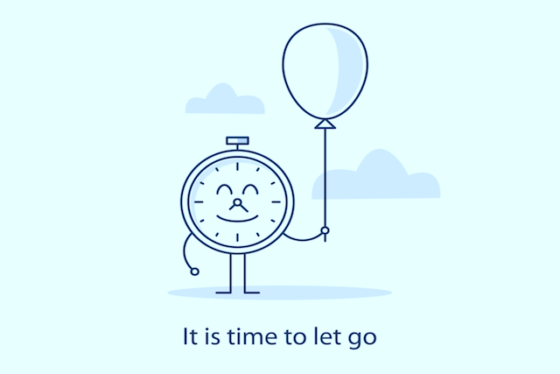
Why Letting Go of Your Tight Grip Actually Gives You More Control
Have you ever tried so hard to make something happen that the effort itself left you exhausted? Whether you're waiting for an important answer, managing a difficult situation, or worrying about the future, the need to control every detail can become overwhelming.
Planning and taking action are important, but not everything is within our control. Sometimes, the best thing we can do is loosen our grip, accept the present, and focus on how we respond.
Letting go doesn't mean giving up. It means learning where your energy is best spent.
1. Recognize When You're Trying to Force an Outcome
There is a difference between making an effort and trying to control everything.
You can prepare carefully for an opportunity, but you cannot guarantee the result. You can communicate honestly in a relationship, but you cannot decide how another person will respond.
When things don't happen according to our expectations, we often push harder, overthink, or become frustrated. Unfortunately, this rarely makes the situation better.
Ask yourself:
-
Am I taking useful action, or simply worrying?
-
Is this something I can actually influence?
-
Am I becoming frustrated because reality doesn't match my expectations?
Recognizing the difference helps you stop wasting energy on things you cannot change.
2. Accept What You Cannot Change Right Now
Acceptance doesn't mean liking a situation or pretending everything is fine. It means acknowledging reality instead of exhausting yourself fighting against it.
Life can change unexpectedly. Plans may fall apart, opportunities may be delayed, and circumstances may develop differently from what you imagined.
For example, if a job opportunity doesn't work out, you can spend days wondering why things went wrong, or you can accept the disappointment and begin exploring other possibilities.
You don't have to stop hoping for something better. You simply need to make room for the reality you're facing today.
3. Focus on What You Can Control
When life feels uncertain, bring your attention back to the things you can influence.
You may not control other people's decisions, unexpected setbacks, or the timing of certain events. But you can often control your preparation, boundaries, habits, and responses.
Try focusing on three areas:
-
Your actions: Take practical steps toward your goals instead of waiting for perfect circumstances.
-
Your attitude: Notice negative thought patterns and avoid letting them dictate every decision.
-
Your boundaries: Decide what deserves your time and energy, and what you need to step away from.
This shift helps you feel more grounded because you're concentrating on meaningful action rather than impossible certainty.
4. Give Yourself Permission to Change Your Plans
Sometimes we become so attached to a particular outcome that we overlook other possibilities.
You might believe that success must happen by a certain age, that a relationship must follow a specific path, or that your career should look exactly as you imagined.
But life doesn't always follow a fixed timeline.
Allow yourself to reconsider your plans when circumstances change. A different opportunity might lead somewhere worthwhile. A delay might give you time to develop new skills. A change in direction might reveal interests you hadn't considered before.
Having goals is valuable, but being flexible allows you to grow without feeling like every unexpected change is a failure.
5. Practice Letting Go One Small Step at a Time
You don't have to completely change your mindset overnight. Start with everyday situations where you notice yourself becoming overly attached to an outcome.
Try these simple practices:
-
Take a walk when you're overwhelmed by repetitive thoughts.
-
Write down what's worrying you and separate what you can change from what you cannot.
-
Give important decisions time instead of demanding immediate answers.
-
Take breaks from constantly checking messages or waiting for updates.
-
Remind yourself that uncertainty doesn't always mean something will go wrong.
These small habits can help you become more comfortable with situations you cannot fully predict.
Conclusion
Letting go of control isn't about abandoning your dreams or becoming passive. It's about understanding that you can make plans, put in effort, and still allow life to unfold differently.
You may not control every outcome, but you can choose how you approach challenges, where you direct your energy, and how you treat yourself along the way.
Sometimes, real control begins when you stop trying to control everything.
.d2ea59cb.png)

