


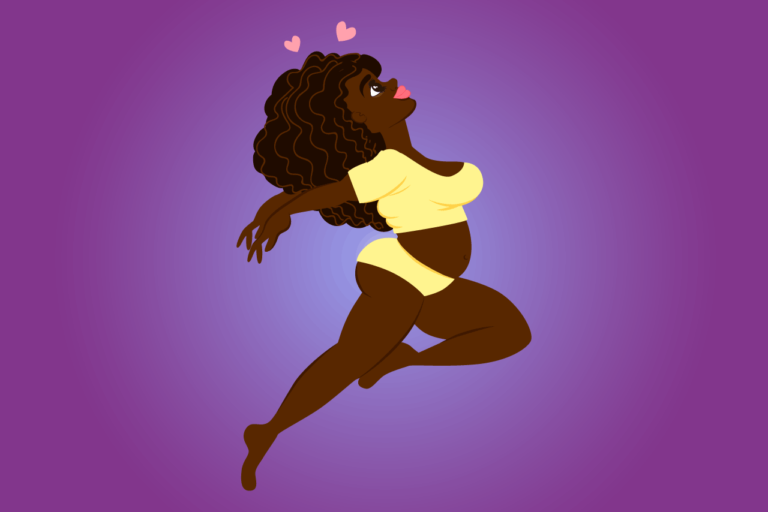
4 Eye-Opening Realizations That Helped Me Love My Body
“You are imperfect, permanently and inevitably flawed. And you are beautiful.” — Amy Bloom
For years, I believed my appearance determined how much love and happiness I deserved. When a relationship ended, I blamed my body. I convinced myself that if I were thinner, prettier, or more physically attractive, perhaps things would have turned out differently.
That belief slowly turned into an unhealthy obsession with changing myself. I criticized my reflection, compared my appearance with other women, and treated every imperfection as something that needed fixing.
Eventually, I realized that building a healthy relationship with my body required much more than accepting how I looked. It meant changing the way I understood beauty, self-worth, and what my body truly meant to me.
These four realizations helped me begin that journey.
1. Accepting Your Body Is Not the Same as Loving It
After experiencing heartbreak, I tried to make peace with my appearance. I stopped criticizing myself as harshly and learned to look in the mirror without feeling disgusted.
For a while, I believed I had finally accepted my body. But when pregnancy changed my weight and shape, those old insecurities returned.
I felt uncomfortable around friends, avoided intimacy, and became increasingly critical of my appearance. I had accepted my body only because I had learned to tolerate the way it looked at that particular time. I had not developed genuine self-love.
True body acceptance means recognizing that your worth doesn't disappear when your body changes. Weight fluctuations, aging, pregnancy, scars, and other physical changes are natural parts of being human.
Instead of demanding that your body remain the same, learn to treat it with kindness through every stage of life.
2. Your Body Deserves Love for More Than Its Appearance
We often judge our bodies by what we see in the mirror. We notice our skin, shape, weight, and proportions while overlooking everything our bodies do for us.
Think about it. Your heart beats continuously, your lungs help you breathe, and your digestive system processes the food that nourishes you. Your muscles and bones allow you to move, work, embrace loved ones, and experience the world.
Your body performs countless functions without asking you to look a certain way in return.
It allows you to laugh, cry, travel, create memories, and connect with people. It carries you through difficult days and helps you experience life's beautiful moments.
When you focus exclusively on appearance, you overlook this extraordinary contribution.
Try shifting your attention from how your body looks to what it allows you to experience. Appreciate your strength, mobility, senses, and resilience. Your body deserves care and respect even when you don't feel confident about its appearance.
3. Society Does Not Get to Define Your Beauty
From advertisements and magazines to television and social media, we constantly encounter messages about what an attractive body should look like.
We're encouraged to admire particular heights, weights, facial features, skin textures, and body proportions. These standards can make ordinary human differences seem like imperfections.
The problem is that beauty standards are not fixed. They change across cultures, generations, and trends. Yet many people spend years trying to meet expectations that were never designed to reflect everyone's natural appearance.
Comparing yourself with edited photographs or carefully curated images can make this pressure even worse.
Start questioning the standards you have internalized. Ask yourself whether you genuinely dislike a particular feature or whether you've simply learned to believe it isn't attractive.
You don't need to look like someone else to be beautiful. Your features, proportions, and individuality are not mistakes that require correction.
4. Your Self-Worth Has Nothing to Do With Being Beautiful
One of the most important realizations is that the desire to look perfect often comes from a deeper belief that we aren't good enough.
When you struggle with self-worth, external approval can feel like proof that you deserve love. You may believe that becoming more attractive will make you more desirable, successful, or worthy of a healthy relationship.
But physical appearance cannot guarantee happiness, loyalty, or emotional security.
You can change your hairstyle, lose weight, buy new clothes, or improve your fitness and still struggle with insecurity if you continue believing that your value depends on other people's opinions.
Your worth is not something you earn through beauty, achievements, popularity, or approval. It is not reduced by a changing body or someone else's rejection.
Practice reminding yourself that you deserve respect and love exactly as you are. When negative thoughts appear, challenge them instead of automatically accepting them as truth.
How to Start Building a Loving Relationship With Your Body
Body confidence doesn't develop overnight. It grows through the everyday choices you make.
-
Change your self-talk: Speak to yourself with the same patience you would offer someone you love.
-
Stop comparing: Limit exposure to content that makes you feel inadequate or encourages unrealistic expectations.
-
Listen to your needs: Eat nourishing food, rest, move comfortably, and seek appropriate care when something feels wrong.
-
Appreciate small things: Notice what your body helps you accomplish rather than focusing only on its appearance.
-
Allow yourself to change: Your body will evolve throughout life. You don't have to punish it for doing so.
You Are Worthy, With or Without Perfection
Learning to love your body means understanding that beauty is not a requirement for happiness or love. You don't have to achieve a particular weight, hide every imperfection, or meet someone else's expectations to feel deserving.
There may still be days when you struggle with your reflection. That's okay. Self-love isn't about feeling beautiful every moment. It's about refusing to treat yourself as less worthy when you don't.
Your body is more than its appearance. It is part of your story, your experiences, and your ability to live.
You deserve to care for it, appreciate it, and feel at home in it, exactly as it is today.
.d2ea59cb.png)

