


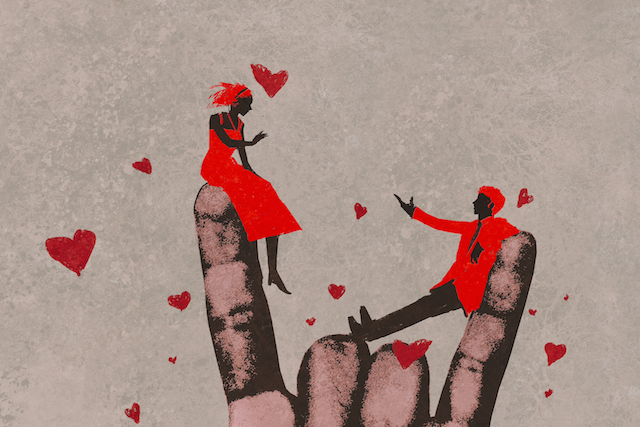
Why I Got Caught Up in the Drama of an On-and-Off Relationship
“One reason people resist change is because they focus on what they have to give up instead of what they have to gain.” – Rick Godwin
An on-and-off relationship can be emotionally exhausting. One moment, everything feels exciting and full of possibility; the next, you're dealing with arguments, disappointment, and uncertainty. Even when you recognize that the relationship isn't healthy, walking away can feel surprisingly difficult.
You might remember the passionate beginnings, the affectionate moments, and the promises that things will improve. Those memories can make you question whether ending the relationship is really the right decision.
But why do some people repeatedly return to relationships that leave them unhappy? Understanding the emotional patterns behind this cycle can help you recognize what keeps you attached and make healthier choices.
Here are four reasons people can become caught up in the drama of on-and-off relationships.
1. The Relationship Becomes an Escape from an Unfulfilling Life
Sometimes, an intense relationship enters your life when you're already feeling unhappy, lonely, or uncertain about your future.
Perhaps you're dissatisfied with your career, struggling with personal challenges, or unsure about what you want next. Then someone arrives who makes you feel attractive, wanted, and excited. Suddenly, your days have a new focus.
The relationship can become a distraction from everything else that feels difficult.
This is one reason an unhealthy connection can be hard to leave. Even when the arguments and emotional stress outweigh the happy moments, you may still associate that person with excitement and comfort.
Ask yourself whether you're holding on because the relationship genuinely meets your needs or because it fills an emotional gap elsewhere in your life.
Rebuilding your sense of purpose outside the relationship can help. Invest in friendships, personal interests, career goals, and activities that make you feel fulfilled. When your happiness doesn't depend entirely on one person, it becomes easier to evaluate the relationship honestly.
2. Unhealthy Treatment Feels Familiar
Our early experiences can influence what we expect from relationships as adults. If you grew up feeling criticized, ignored, rejected, or emotionally invalidated, you may become accustomed to relationships where affection and hurt exist side by side.
This doesn't mean you're destined to repeat those experiences. However, familiar patterns can sometimes feel comfortable, even when they're damaging.
For example, if you learned to work hard for someone's approval growing up, you might find yourself doing the same with a romantic partner. You may tolerate disrespect, constantly explain your behavior, or believe that being more patient will eventually make the other person treat you better.
Over time, you can begin confusing emotional struggle with love.
Recognizing this pattern is an important step toward change. Consider what treatment you have accepted in past relationships and whether it reflects what you genuinely want.
You deserve affection that doesn't have to be earned through constant sacrifice. Respect, kindness, and emotional safety should be part of a relationship, not rewards you receive only when everything goes well.
3. You Haven't Clearly Defined Your Deal Breakers
It's difficult to maintain boundaries when you're unsure which behaviors you should never accept.
You might know that jealousy makes you uncomfortable, but when a partner becomes possessive, you convince yourself it's simply a sign of love. Perhaps they repeatedly criticize you, question your friendships, or make accusations without evidence. Instead of recognizing the seriousness of the behavior, you focus on explaining yourself and preventing another argument.
Without clear deal breakers, emotional attachment can gradually weaken your judgment.
Take some time to identify the behaviors that are unacceptable in a relationship. Your list might include:
-
Repeated dishonesty or betrayal.
-
Controlling behavior and excessive jealousy.
-
Insults, humiliation, or intimidation.
-
Disrespect for your personal boundaries.
-
Refusing to take responsibility for harmful actions.
-
Making you feel afraid to express your opinions.
Deal breakers aren't about expecting a perfect partner. Everyone makes mistakes, and healthy relationships require patience and communication. The difference is that occasional disagreements shouldn't become repeated patterns of disrespect.
Once you understand your boundaries, pay attention to actions rather than promises. Someone's willingness to change should be reflected in consistent behavior over time.
4. The Emotional Highs and Lows Become Addictive
One of the most confusing aspects of an on-and-off relationship is how intensely rewarding reconciliation can feel.
After an argument or breakup, you might experience sadness, anxiety, and loneliness. Then your partner reaches out, apologizes, or expresses how much they miss you. Suddenly, the tension disappears, and the relationship feels exciting again.
That temporary relief can make getting back together feel like proof that the relationship is worth saving.
However, the happiness of reconciliation doesn't necessarily mean the underlying problems have been resolved. If the same disagreements, accusations, and disrespect return, you're likely repeating the same cycle.
The contrast between emotional lows and affectionate highs can make the relationship feel more intense than a consistently supportive connection. You may become focused on recovering the good moments rather than considering how often you're hurt.
Breaking this pattern requires looking at the relationship as a whole, not judging it by its best days.
Try keeping a journal of your experiences. Record how you feel after spending time together, what causes conflict, and whether meaningful changes actually happen. Seeing the pattern written down can help you make decisions based on reality rather than temporary emotions.
If leaving feels particularly difficult, consider speaking with a therapist or trusted person who can help you work through the attachment and rebuild your confidence.
Conclusion: Choose Peace Over Repeated Emotional Turmoil
Getting caught up in an on-and-off relationship doesn't mean you're weak or incapable of making good decisions. Emotional attachment, loneliness, familiar patterns, and the hope that things will improve can make leaving complicated.
But recognizing why you keep returning gives you an opportunity to respond differently.
Start by rebuilding your life outside the relationship, understanding your emotional patterns, and defining the treatment you will no longer accept. Remember that love shouldn't require you to repeatedly sacrifice your self-respect to keep someone close.
You don't have to wait until a relationship becomes unbearable before choosing something healthier. Walking away from a damaging cycle can be painful, but it can also create space for stability, genuine connection, and personal growth.
Sometimes, the most important change isn't finding someone new. It's learning not to abandon yourself just to keep someone else.
.d2ea59cb.png)

