


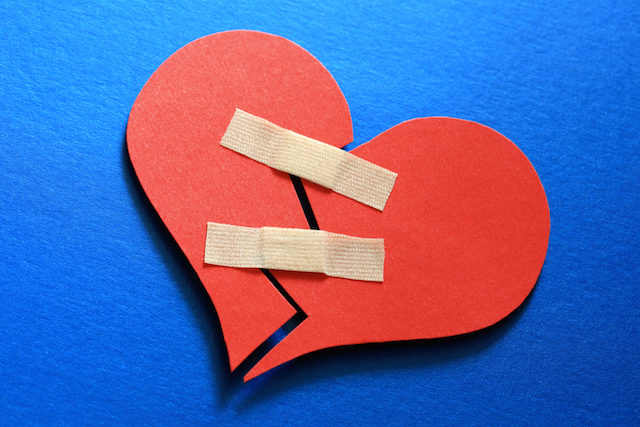
When Someone Cheats or Mistreats You, It’s About Them, Not You
“Your worth doesn't decrease because someone failed to recognize it.”
When someone cheats on you, lies to you, or treats you poorly, it's easy to start questioning yourself. You might wonder whether you weren't attractive enough, interesting enough, successful enough, or lovable enough to keep their attention. Instead of focusing on the choices they made, you begin searching for flaws in yourself.
I used to believe that way, too. When a relationship went wrong, I assumed I must have done something to deserve it. I measured my value by how someone treated me and felt rejected whenever a person I loved failed to choose me.
Over time, I learned an important lesson: another person's behavior is not a measurement of your worth. Their decisions may reflect their own values, insecurities, emotional maturity, or willingness to take responsibility. You can acknowledge the pain they caused without making their actions your identity.
Here are five reminders that can help you rebuild your confidence and approach relationships with healthier expectations.
1. Someone's Decision to Cheat Doesn't Mean You're Not Enough
When a partner cheats, the first reaction may be to compare yourself with the person they became involved with. You might question your appearance, personality, or ability to meet their needs.
But cheating is a choice made by the person who breaks the agreement in a relationship. It isn't proof that their partner was lacking.
People may betray trust for many reasons, including insecurity, a desire for validation, poor boundaries, or difficulty communicating honestly. Understanding these possibilities doesn't excuse their behavior, but it can help you stop treating their decision as evidence that something is wrong with you.
You don't need to compete with someone else to prove that you're worthy of love. Your value existed before the relationship, and it remains intact regardless of how another person behaves.
2. Don't Carry the Shame of Someone Else's Actions
Being mistreated can leave you feeling embarrassed, foolish, or responsible for what happened. You may wonder why you didn't notice the warning signs sooner or why you trusted someone who eventually hurt you.
It's important to remember that trusting another person doesn't make you foolish. You made decisions based on what you knew and believed at the time.
The responsibility for dishonesty, betrayal, or disrespect belongs to the person who chose those actions. You can reflect on what you learned without taking responsibility for someone else's behavior.
If you ignored certain warning signs, use that awareness to make different choices in the future. But don't turn hindsight into a reason to punish yourself.
You deserve compassion, especially when you're already dealing with disappointment and heartbreak.
3. Your Worth Is Not Determined by Your Relationship Status
It's easy to connect personal value with external things. You might feel successful when you're in a happy relationship and inadequate when you're single or rejected.
But your worth isn't something another person can give you or take away.
It isn't determined by your appearance, weight, career, financial situation, popularity, or relationship status. These things may influence different parts of your life, but they don't decide whether you deserve kindness and respect.
Take time to reconnect with the parts of yourself that exist outside romantic relationships. Spend time with friends, explore interests, pursue meaningful goals, and develop routines that make you feel grounded.
A healthy relationship can add happiness and companionship to your life, but it shouldn't become the only source of your identity or confidence.
You are already a complete person. You can enjoy sharing your life with someone without depending on them to make you feel whole.
4. Recognize the Difference Between Love and Hurtful Behavior
People sometimes say they love someone while repeatedly lying, cheating, controlling, or putting them down. Hearing loving words can make it difficult to recognize when someone's behavior contradicts what they claim to feel.
But love needs to be reflected in actions.
Healthy love includes honesty, respect, consideration, accountability, and a willingness to work through difficulties together. It doesn't require you to tolerate repeated disrespect to prove your commitment.
If someone tries to control you by criticizing your appearance, making you feel guilty, or threatening to leave whenever you disagree, recognize that this isn't a healthy way to build a relationship.
Start by treating yourself with the care and respect you want from a partner. Establish boundaries, communicate your needs, and pay attention to whether the other person responds with genuine effort.
Self-love doesn't mean believing you're perfect. It means refusing to abandon your own well-being just to keep someone else happy.
5. Don't Let One Painful Relationship Close You Off to Love
After experiencing betrayal, trusting someone new can feel frightening. You may become suspicious, emotionally guarded, or convinced that every future relationship will end the same way.
Taking time to heal is important, but one person's actions don't determine how every relationship will unfold.
Instead of giving up on love, focus on recognizing the qualities that create a healthy connection. Look for consistency between words and actions. Notice whether someone respects your boundaries, communicates openly, and takes responsibility when mistakes happen.
You don't have to rush into another relationship or trust someone before you're ready. Give yourself time to understand what happened and what you need moving forward.
A painful relationship can teach you important lessons about boundaries, communication, and self-respect without becoming the story you carry into every new connection.
Conclusion: Never Let Someone Else Define Your Value
When someone cheats or mistreats you, the experience can deeply affect your confidence. But their behavior does not determine how lovable, attractive, or worthy you are.
You cannot control another person's choices, but you can decide how you respond to them. You can stop blaming yourself, establish healthier boundaries, and walk away from relationships that repeatedly damage your well-being.
Most importantly, don't confuse being rejected or betrayed with being unworthy. You deserve honesty, respect, and a relationship in which love is demonstrated through everyday actions.
The end of one relationship doesn't mean the end of your chance to experience meaningful love. Let go of the people who made you question your value, but don't let their actions convince you that you have nothing valuable to offer.
.d2ea59cb.png)

